The Power of Habit

December has a way of making us pause. As the year winds down and the new one peeks around the corner, many of us start thinking about what’s working, what feels heavy, and what we hope might feel a little easier next year.
This is where habits quietly come into play.
Habits are the small, often unnoticed actions that shape our days. They influence how our mornings start, how our homes function, and how much mental space we carry with us. In our work as professional organizers, we see it all the time: lasting change doesn’t come from one big organizing day—it comes from the routines that follow.
Habits Over Motivation (Every Time)
Motivation is great… when it shows up. But it’s unreliable, especially during busy seasons like December. Habits don’t depend on willpower or energy levels. They’re what we fall back on when life is full.
You don’t wake up each morning debating whether to brush your teeth…you just do it. That’s the power of habit.
When organizing systems are built around habits instead of motivation, they actually work long-term. The goal isn’t perfection. It’s creating routines that feel doable even on your most tired days.
Start Small, Smaller Than You Think
One of the most common mistakes we see is trying to change everything at once, especially with the new year approaching. Big plans often sound great but quickly fall apart once real life kicks back in.
Instead, think small and sustainable.
A few examples:
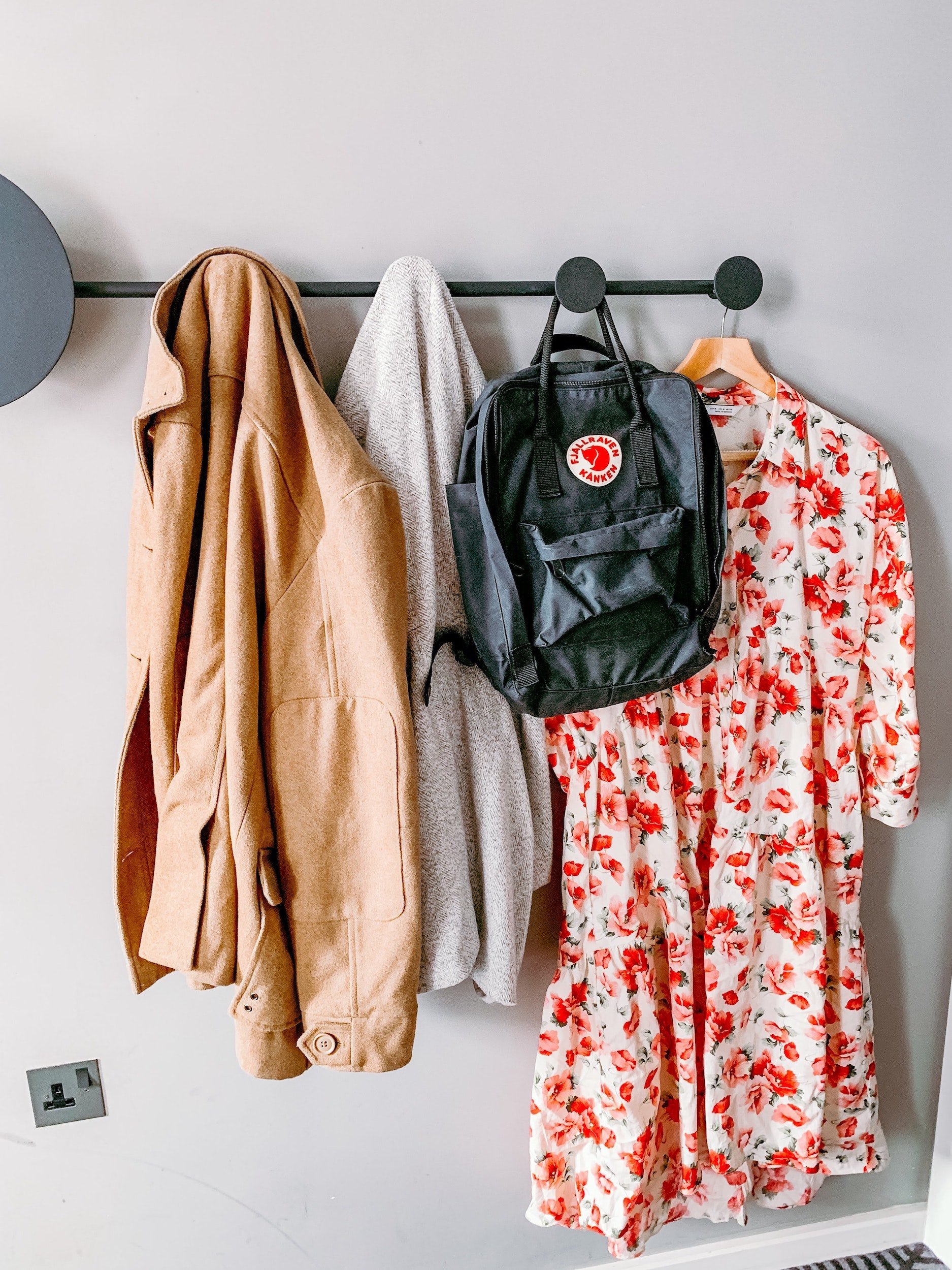
Hanging your coat as soon as you walk in the door
Taking two minutes to clear the kitchen counter before bed
Sorting the mail the moment it comes inside
These tiny habits don’t feel impressive, but they add up. Over time, they prevent clutter from piling up and reduce the constant feeling of playing catch-up.
Pair New Habits with What You Already Do
One of the easiest ways to create a new routine is to attach it to something that’s already part of your day.
For example:
After you pour your morning coffee, empty the dishwasher
After the kids go to bed, do a quick living room reset
When you change into pajamas, lay out clothes for the next day
When habits are connected to existing routines, they’re easier to remember and much more likely to stick.
Focus on the Routine, Not the Result
It’s easy to get caught up in how we want a space to look, especially this time of year. But long-term success comes from focusing on what you do, not just what you want.
Instead of saying:
“I want a spotless kitchen.”
Try:
“I reset the kitchen each night before bed.”
The routine is something you can return to every day. The results will follow naturally.
December Is a Great Time to Begin
You don’t have to wait until January 1st to start fresh. December is actually a wonderful time to notice your habits without pressure.
Ask yourself:
What routines are helping me right now?
What feels unnecessarily stressful?
Where could one small habit make daily life easier?
Even one gentle shift before the new year can make January feel calmer and more grounded.
Give Yourself Grace
Life changes. Seasons shift. What works now may need adjusting later and that’s okay.
Strong habits aren’t rigid. They’re flexible, forgiving, and realistic.
Consistency doesn’t mean doing things perfectly. It means coming back to your routines again and again, even after busy weeks, holidays, or disruptions.
As the year comes to a close, remember this: meaningful change doesn’t require a full reset or a long list of resolutions.
A few simple habits - chosen with intention - can make your home feel calmer, your days feel lighter, and the new year feel more supportive from the very start.
Start small. Be kind to yourself. Let your habits carry you into the new year.