When Clutter Is a Symptom, Not the Problem

It’s easy to look around your home and assume the mess is the issue.
The piles on the counter.
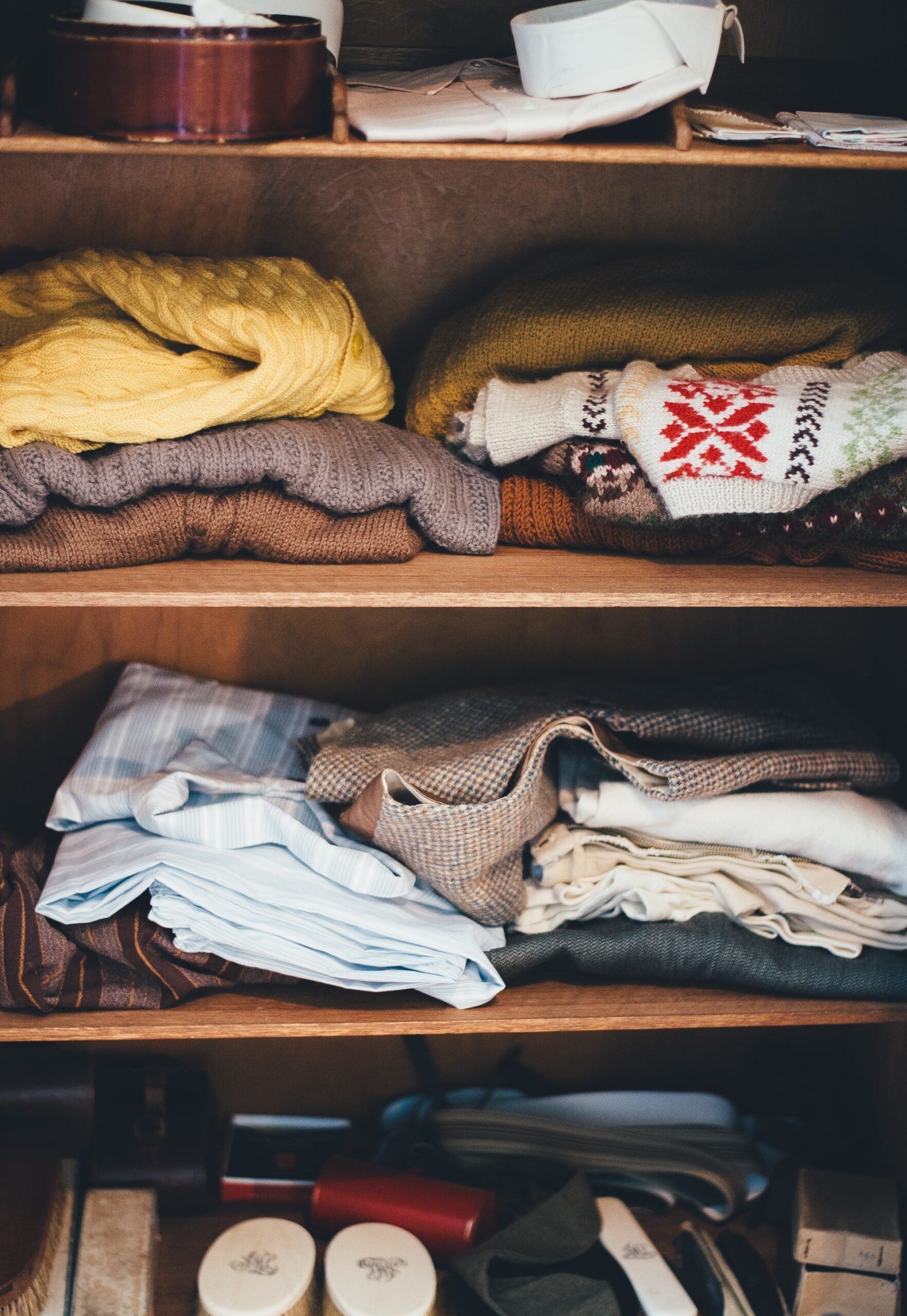
The overflowing closet.
The room you quietly close the door on.
But what if clutter isn’t actually the problem?
What if it’s a symptom of something deeper?
For many people, clutter is the visible result of invisible pressures: busy schedules, emotional exhaustion, life transitions, decision fatigue, or simply too much coming in and not enough time to process it. When we only focus on “cleaning it up,” we often miss the real opportunity for change.
Clutter shows up when systems no longer support real life.
Maybe your family has grown, but your storage hasn’t evolved.
Maybe your work-from-home situation shifted, but your space didn’t.
Maybe your routines changed, but your home is still set up for an old season.
In these cases, clutter isn’t about laziness or lack of discipline. It’s feedback. It’s your home telling you, This setup isn’t working anymore.
Clutter can also be tied to emotional weight.
We hold onto items because they represent memories, identities, or possibilities.
We keep things “just in case” because uncertainty feels uncomfortable.
We avoid decisions because we’re already making too many in other areas of life.
None of this means you’re bad at organizing. It means you’re human.
Another overlooked factor? Capacity.
When you’re stretched thin, organization becomes harder. Not because you don’t care, but because your energy is limited. Expecting yourself to operate at full capacity all the time isn’t realistic. In seasons of stress, grief, burnout, or major change, clutter often increases — and that makes sense.
So what actually helps?
Instead of starting with, “How do I get rid of all this stuff?”
Try asking, “What isn’t working in my home right now?”
Look for patterns:
Where does clutter consistently land?
What items don’t seem to have an obvious home?
What spaces feel the most stressful?
These answers point toward systems that need adjusting, not personal failures.
Sustainable organizing isn’t about constant purging or perfection. It’s about creating simple, functional setups that match how you live.
That might mean:
Fewer categories.
Easier-to-reach storage.
More open space.
Clearer boundaries on what comes into your home.
It might also mean slowing down and giving yourself permission to make gradual progress.
When we treat clutter as a symptom, the goal shifts.
It’s no longer “make the house look perfect.”
It becomes “build a home that supports my life.”
That’s a much kinder, more effective approach.
Because the truth is: most people don’t need harsher rules.
They need better-fitting systems.
They need realistic expectations.
They need compassion for the season they’re in.
If clutter has been weighing on you, take a breath.
You’re not broken.
You’re not behind.
You don’t need to start over.
You might simply need a new approach — one that looks beyond the stuff and focuses on what will truly make your home feel calmer, lighter, and easier to live in.
If you’re ready to stop battling the clutter and start building systems that actually work for your life, we’d love to help. Whether you need a full-home reset or support in just one space, we create personalized solutions designed around you.
Reach out to schedule a consultation and take the first step toward a calmer, more functional home.